
November 16, 2026 · 7 min read
Aluminum Boat Welding in Hampton Roads: 5086 vs 6061-T6 Explained
By Daniel Wheeler, owner and lead welder, 757 Welding
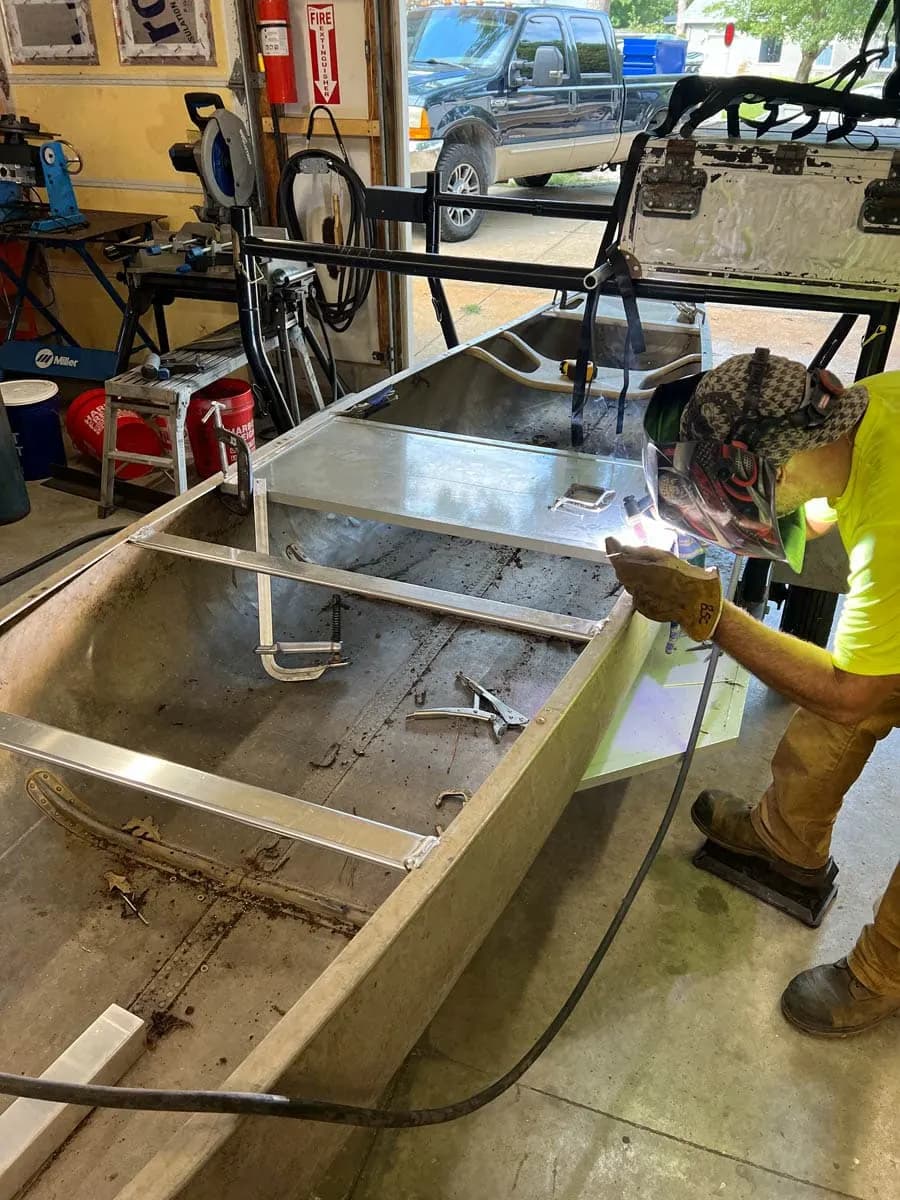
An aluminum boat is built from two families of metal that look the same and behave differently. The hull, transom and bottom plate are usually 5086 or a close relative. The T-top, radar arch, tower and rail tubing are usually 6061-T6. A crack in either one looks like a crack in aluminum, and the repair that suits one can make the other worse.
This is the practical version of what matters before a torch touches your boat: which alloy you have, why 6061-T6 behaves oddly beside a weld, which filler wire goes where, what has to be cleaned, and what to tell the welder when you ask for aluminum boat repair in Hampton Roads.
Two alloys on one boat
5086, 5052 and 5083 are the marine plate alloys. They are magnesium-aluminum alloys that resist salt water, take welding well and keep most of their strength after it. Hull sides, bottom plate, transoms, decks and stringers are built from them. In this family the metal is strengthened by cold working, not heat treatment, so the heat of a weld does not undo a heat treatment that was never there.
6061-T6 is a structural alloy, sold as tube, angle, channel and extrusion. The T6 means it was heat treated and artificially aged to reach its rated strength. Tower legs, T-top frames, radar arches, rails, rod holder tubes and ladder frames are commonly 6061-T6. It is lighter than steel and strong in the temper it ships in, but that temper is exactly what a weld disturbs.
Daniel works across both, and aluminum is the shop's strongest line. The aluminum welding service page lists the alloys and joint types. Boat work sits on the border between aluminum and marine and shipyard welding, and it uses the skills of both.
Why 6061-T6 loses strength next to the weld
Welding puts a lot of heat into a narrow strip of metal. In 6061-T6 that heat reverses part of the heat treatment in the zone beside the weld, called the heat-affected zone. The metal there is softer and weaker than the original tube, and it does not return to T6 strength on its own cooling. A tower leg that was rated at full strength can be much weaker an inch from the weld bead than it was before the weld.
The practical result: a 6061-T6 repair is not finished when the crack is closed. The question is whether the softened zone sits where the stress is. Good practice on structural tube includes:
- Placing welds away from the highest bending stress where the design allows it.
- Adding a gusset or a sleeve to spread the load across a wider area than the weak zone.
- Keeping heat input low and using short, controlled passes with time between them.
- Avoiding repeated re-welding of the same joint, since each pass widens the softened zone.
On a T-top or tower that carries people and rigging, this decides whether the repair holds. If a tube has cracked next to an old weld, that is often the softened zone failing in fatigue, and the repair should add material, not just close the crack.
Hull, transom and bottom plate
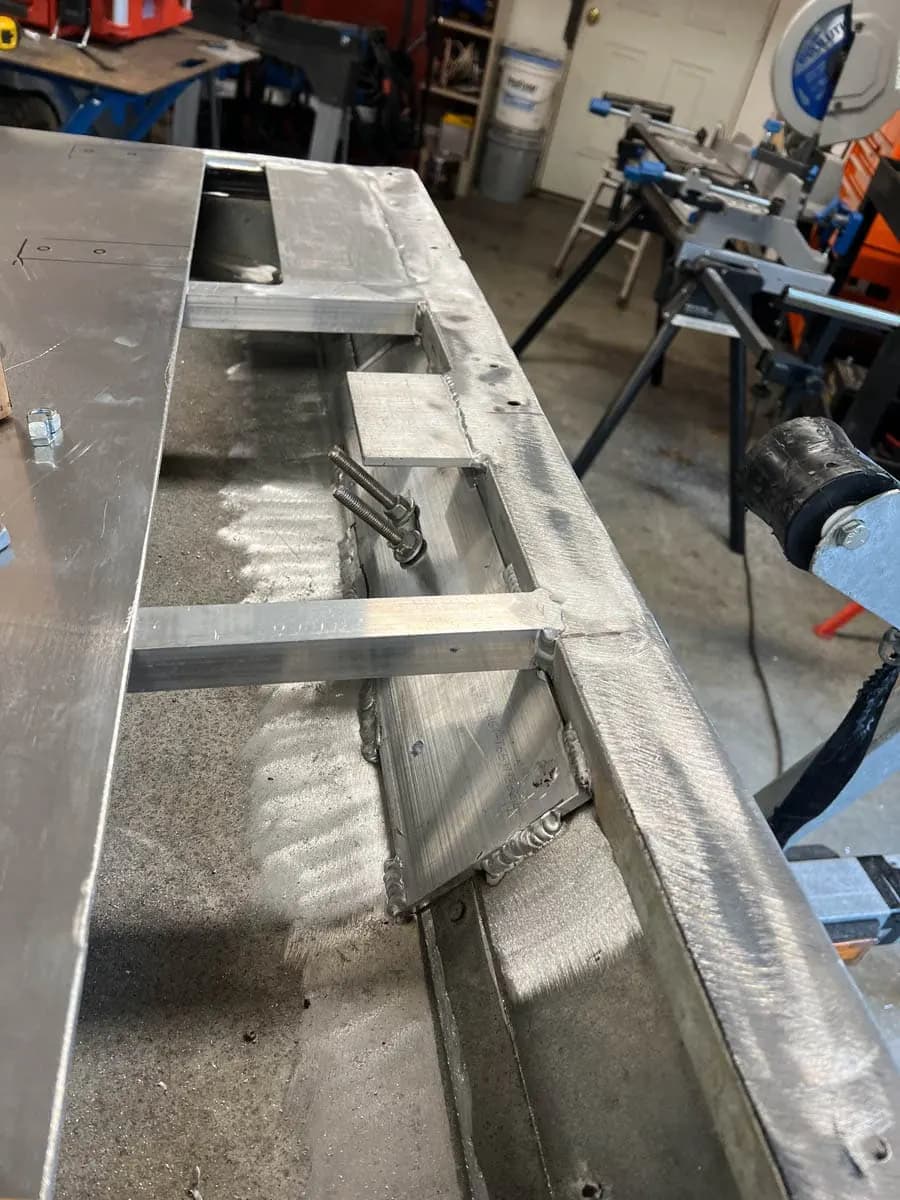
5086 plate is more forgiving. It welds cleanly with pulse-MIG, and thin sections are done with TIG. The common failures are fatigue cracks at transom corners and stiffener ends, split chine seams, worn and pitted bottom plate, and cracked welds where a bracket or cleat was added without a gusset.
A crack in plate is not welded across. It is followed to its end, the tip is stopped by drilling or gouging, the crack is opened to clean metal with a Vee, and the repair is built up in passes. Heat is controlled to limit distortion, because thin hull plate that has been over-heated oil-cans, and the ripples show in the paint. If the plate is pitted or thinned around the crack, the weak plate is cut out and an insert is welded in.
The same thinking applies to fleets. Charter and sportfishing boats out of Lynnhaven and Rudee Inlet are worked hard, run in chop, and show the same stress cracks at the same places. A repair there is worth doing once, with the cause in mind. See our Virginia Beach service area page for how the shop covers that side of the water.
5356 versus 4043 filler
The filler wire is a real decision on aluminum. The two common choices behave differently:
- 5356 is a magnesium-aluminum filler and the usual choice for 5086, 5052 and 5083 hull plate. It matches the plate chemistry, has the strength the plate needs, and holds up in salt water. It is also commonly used on 6061 tube for marine work.
- 4043 is a silicon-aluminum filler. It flows easily and resists hot cracking, and it is a common wire on 6061 in dry-service work. It is not the right wire for 5086 plate. Silicon mixing with the magnesium in the plate can form a brittle weld zone, and the weld is weaker and less corrosion resistant than 5356 in a marine setting.
When a boat arrives with an old repair in the wrong wire, the first job is often to take it out. The filler used before is worth mentioning to the welder if you know it.
Oxide, cleaning and contamination
Aluminum carries a hard oxide skin that melts at a far higher temperature than the metal under it. Weld through it without removing it and the result is porosity, lack of fusion and black soot. Clean aluminum is the biggest single factor in a good weld.
- Remove paint, anti-fouling and coatings from the joint and a margin around it.
- Degrease with solvent. Oil, fuel and bilge residue boil into the weld and leave porosity.
- Remove the oxide just before welding with a dedicated stainless steel brush or a clean abrasive used only on aluminum.
- Keep the tools separate. A brush or disc that has touched steel carries iron into the weld and into the corrosion path.
- Dry the metal. Moisture in a seam or a crevice goes in as hydrogen and comes out as pores.
A crack at a fastener or a rivet line takes longer to repair than one in clean plate, because that is where moisture and old sealant hide.
Galvanic contact with stainless fasteners
Aluminum is anodic to stainless steel. Put the two in contact in salt water and the aluminum is the one that corrodes. Stainless bolts through an aluminum bracket, a stainless cleat on an aluminum deck, and a stainless backing plate on a transom are all common places where the aluminum around the fastener pits, swells and cracks.
Many cracks around fasteners on aluminum boats start there. The repair is two jobs: weld the crack, and fix the contact. That means isolating the fastener with a sleeve, a nylon washer or a sealant barrier, and using 316 stainless or aluminum hardware as the owner prefers. Without the second step the corrosion returns beside the new weld.
What to tell the welder
When you ask for aluminum boat repair, these details let Daniel scope the job from photos before anyone drives out:
- The hull or part material, if you know it. If not, say whether it is hull plate or tube and whether it is welded or riveted.
- Where the crack or damage is, with a photo from a step back and a photo close up with a tape measure in the frame.
- What is on the other side. A fuel tank, foam flotation, fuel line or wiring behind a plate decides how the repair is done and what has to be emptied or removed first.
- The boat's use. A weekend runabout and a charter boat that runs daily have different repair priorities.
- Where the boat is. Dockside, on a trailer or in a yard, and whether the yard has its own hot work rules.
- Any earlier repair. The filler, the shop and the date help.
Commercial and charter boats are the shop's work, along with workboats, tugs and barges. The service area is a 45-mile radius around Newport News, and it includes Virginia Beach, Norfolk and the Peninsula. Mobile dispatch and commercial jobs carry a $475 project minimum.
Send photos and the details above through the quote form, or call 757-773-9129 and describe the boat.
More field notes
Keep reading.
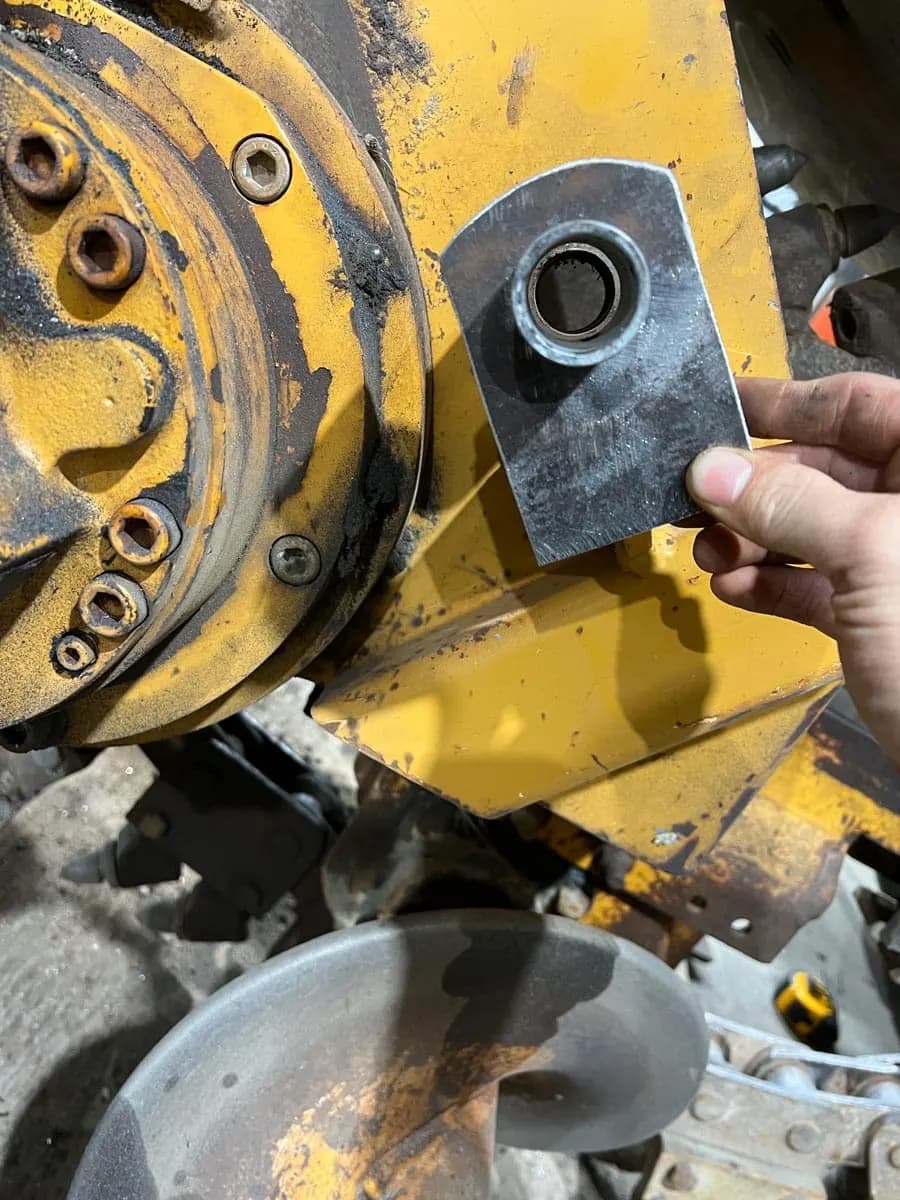
CNC Plasma Cutting and Optical Eye Burning in Hampton Roads, VA
How a broken bracket, gusset, wear plate or flange gets replaced with no drawing: optical eye tracing, CNC plasma from DXF files, and what to send us.
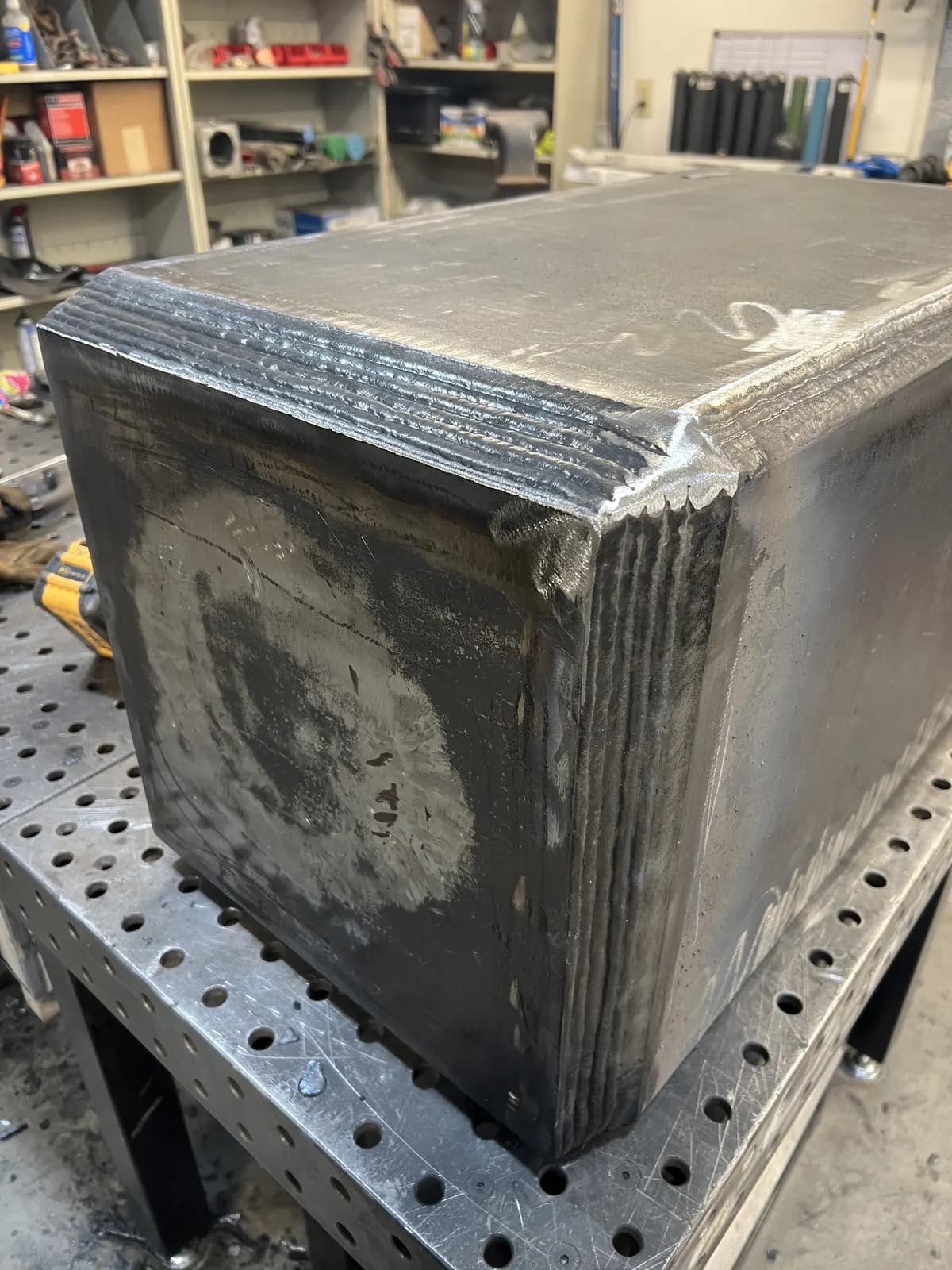
AWS Certification: What It Actually Means for Your Industrial Welding Project
AWS D1.1 certification isn't a marketing badge. It's a documented procedure and qualified welder. Here's what to expect when your project requires it.
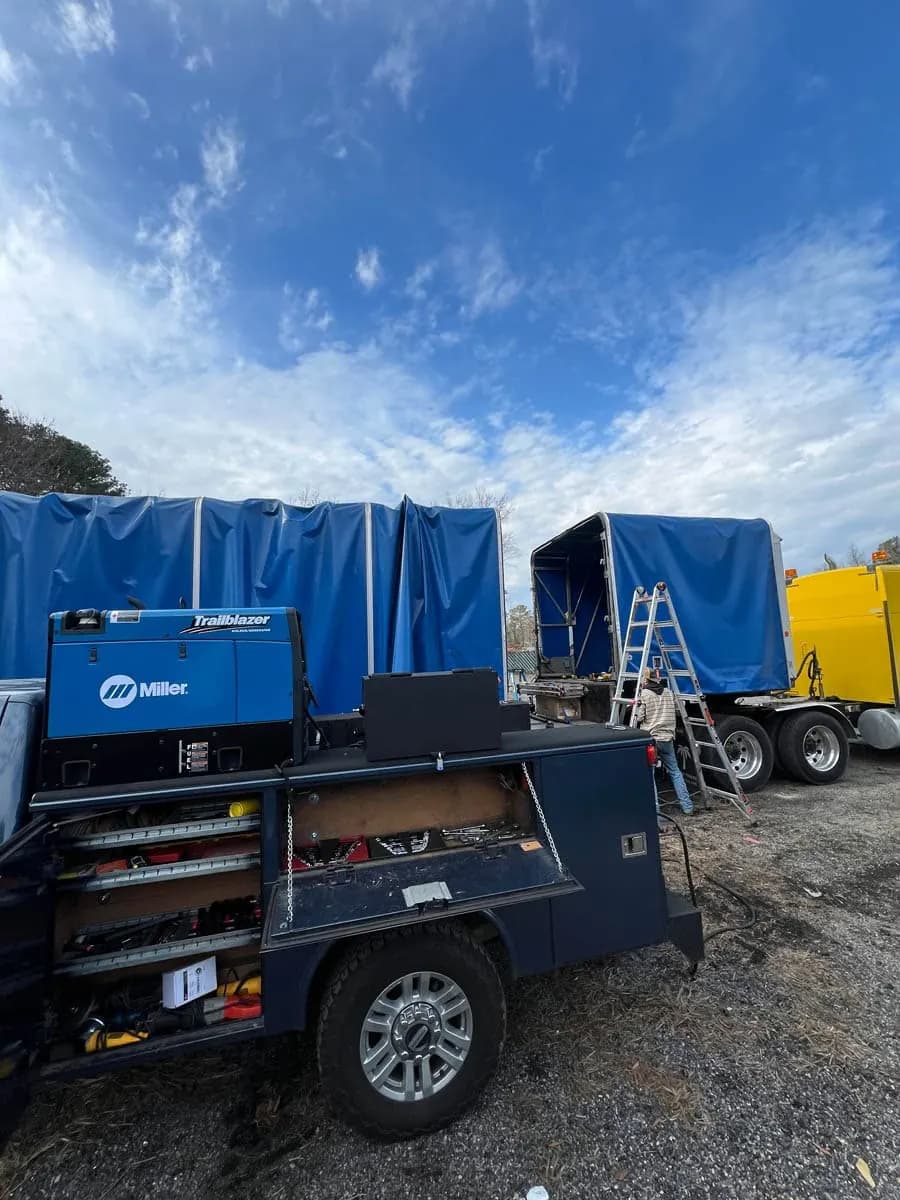
Mobile Welding vs. In-Shop: When to Call a Rig, When to Haul It In
Most industrial welding clients don't know whether a job should go to a mobile rig or the shop. Here is the decision framework 757 Welding uses on every job.
Why Alloy Matters in Marine Welding, and the Mistakes We See Most
Marine welding isn't just carbon steel. Copper-nickel, stainless, and specialty alloys have their own rules, and the wrong filler metal can fail in months.