
November 16, 2026 · 7 min read
CNC Plasma Cutting and Optical Eye Burning in Hampton Roads, VA
By Daniel Wheeler, owner and lead welder, 757 Welding
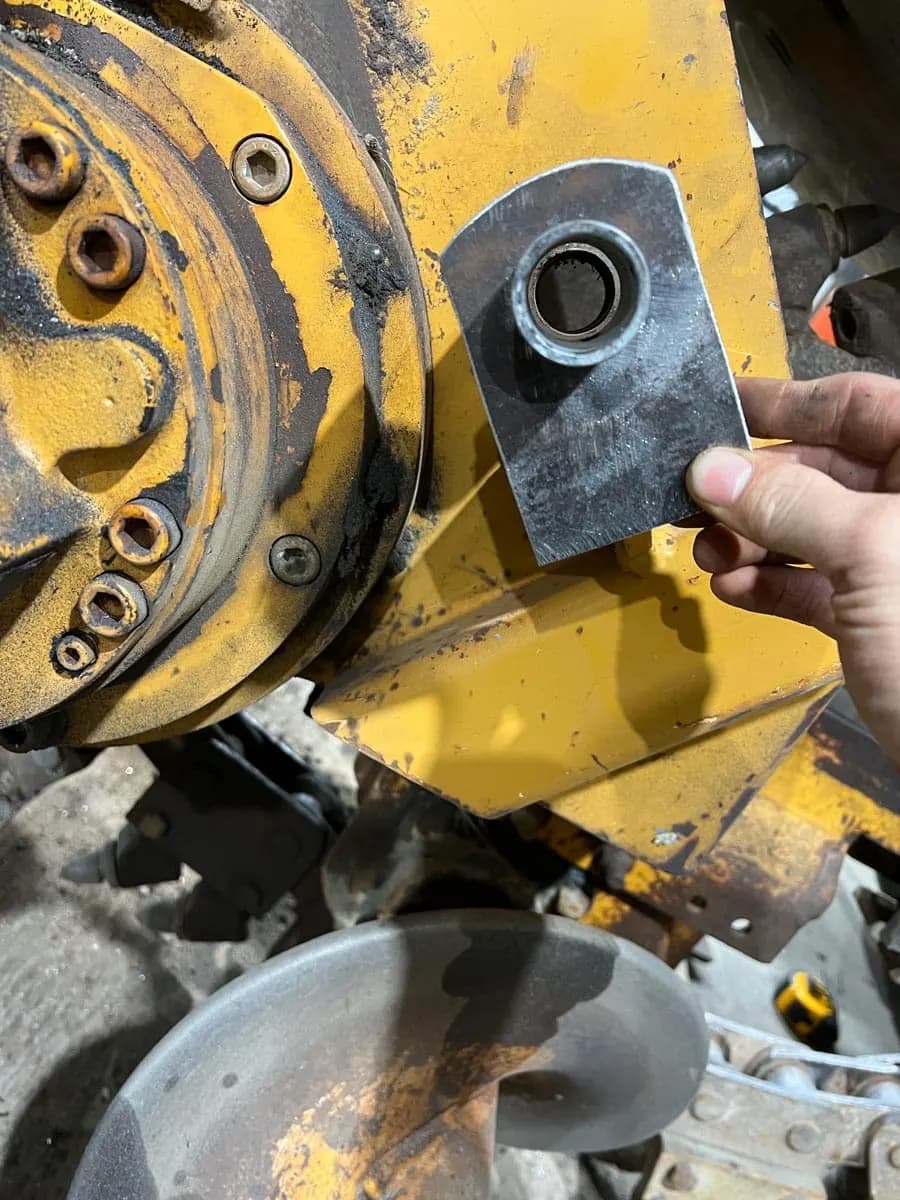
A bracket cracks, a wear plate wears through, a flange gets chewed up by a bad gasket, and the part you need has no drawing. The manufacturer may have discontinued the machine, the dealer may only sell the whole assembly, and nobody on site has a CAD file for something that was cut by hand long ago.
That is the situation a shop with an optical eye burning table and a CNC plasma table is built for. Here is how each one works, when to use which, and what to send us so a cutting job starts with everything it needs.
Two cutting tables, two ways of getting the shape
The shop in Newport News runs two machines for plate work. The CNC plasma table cuts from a digital file. You send a DXF or DWG, the table follows the file, and the same part comes out the same way every time. It cuts carbon steel, stainless and aluminum plate.
The optical eye burning table works differently. An optical eye follows a line on a drawing, a physical template, a cardboard pattern or the outline of a worn original part, and the cutting head copies that outline onto fresh plate. There is no file, no drawing and no one retyping dimensions. The shape of the part is the instruction.
That second capability is uncommon in Hampton Roads. Most cutting shops need a CAD file before they can start, which leaves the person with a broken part and no drawing stuck at the first step. Our shop does not need that step. If you can bring us the part, a template or a good set of photos with measurements, we can work from it. See the full CNC plasma cutting service page for the materials and the typical jobs.
Replacing a part when nobody has a drawing
Heavy equipment is where this comes up most. A bucket ear cracks and the pin boss has to be remade. A boom gusset tears at the weld toe. A hopper wear plate has worn to a curve. A loader quick-attach plate has bent bolt holes. The parts are plain shapes in a hard place, and the original drawing is long gone. Our heavy equipment repair work often starts with exactly this.
There are three ways to hand us the shape:
- The worn original. Bring the broken or worn part to the shop. The optical eye traces it directly. Where the edges are worn, Daniel reads the original outline from the sound edges and the hole centers, and corrects for what has worn away.
- A cardboard template. If the part is still bolted on a machine and cannot be removed, cut a pattern from cardboard or poster board. Trace the bolt holes by marking their centers through the holes onto the board, then cut the outer edges to match. Mark which side faces out and which edge is the top.
- Photos with a tape measure. For plain shapes, a flat photo taken square to the part with a tape measure laid along one edge is enough for Daniel to scope the job and draw a pattern.
Whichever you use, mark the hole centers, not just the hole edges. Worn holes are oval, and a replacement part cut to the worn hole will be oval too. The center of the hole is where the pin or bolt is meant to sit.
When to send a DXF or DWG instead
The digital route is the better choice in four cases:
- Quantity. Ten, fifty or several hundred of the same part are cut faster and more consistently from a file, and nested on the plate so less material is wasted.
- Complex outlines. Curves, slots, tight radii and dozens of holes are exact in a file and tedious to trace.
- A new design. If an engineer or a fabricator has drawn the part, the file is the drawing.
- Repeat orders. A saved file means the second order matches the first.
A few things make a file cut cleanly. Draw at full size, one to one. Make sure the units are stated in the file or the email. Close every outline, so it is a complete loop with no gaps. Remove duplicate lines drawn on top of each other. Keep hole sizes as they should be finished, and tell us if a hole needs to be reamed or drilled after cutting. If the file came from an older program and you are not sure it is clean, send it anyway and say so.
What to send with a cutting job
The same short list covers every cutting request, whether it is a template, a file or a photo:
- Material. Carbon steel such as A36, A572 or AR400, stainless such as 304 or 316L, or aluminum such as 5052, 5086 or 6061. If you do not know, say what the part came from and how it is used.
- Thickness. Measure the part with calipers or a tape. If it is in a machine, measure the edge where it is exposed.
- Quantity. One, a pair, or a run.
- A photo with a tape measure in the frame. Take it flat and straight on, with the tape along the longest edge. Add one photo from the side showing how the part mounts.
- Where it goes. A short note on what the part does helps. A wear plate and a structural gusset are cut and finished differently.
- Edge and finish. Tell us if edges must be cleaned for painting, if holes are to be drilled to size, or if the part is going into a weld joint that needs a bevel.
- Pickup or delivery. Say whether you will collect the part or want it brought to your site.
Cut and weld in one shop
A cut part is rarely the finished job. A replacement gusset has to be fitted and welded to the boom. A set of brackets has to be tacked and welded into a frame. A stainless plate has to be formed into a guard. The cutting table and the welding bays are in the same building, so the part moves from one to the other without a handoff, a second quote or a second shipment.
That matters in practice because cutting and welding fit each other. When we cut a part we know how it will be fitted, so edges that will be welded are prepared for the joint, and edges that will be bolted are left clean. On heavy plate and AR400, the preheat and the weld sequence are planned before the part is cut. And if a trial fit shows the template was a quarter inch off, the table cuts a second part while the first is still on the bench.
The same shop welds aluminum, stainless and carbon steel with TIG, pulse-MIG and stick, and holds AWS D1.1 and D1.5 certifications, so structural plate parts can go straight into a structural weld. Where the Engineer of Record requires mill test report traceability, the plate for a cutting job can be sourced and tracked that way.
Where this fits in your area
The shop is in Newport News and the service area is a 45-mile radius, about an hour's drive. The service area covers the Peninsula, Norfolk and the Southside, and Virginia Beach. If your search was plasma cutting near me and you are inside that circle, the shop is close enough to bring a part to, and the mobile rigs can handle the welding if the machine cannot travel.
Commercial and industrial jobs carry a $475 project minimum. Hobby and residential decorative cutting is not what the shop is set up for. Everything else, from a single wear plate to a repeating production run, is worth a quote.
How to start
Take the photo with the tape measure, write down the material and thickness if you know them, and send them with the quantity. If you have a DXF or DWG, attach it. If you have the broken part or a cardboard template, say so and Daniel will tell you whether to drop it off or whether a photo will do. Send everything through the quote form or call 757-773-9129 and describe the part.
More field notes
Keep reading.
Aluminum Boat Welding in Hampton Roads: 5086 vs 6061-T6 Explained
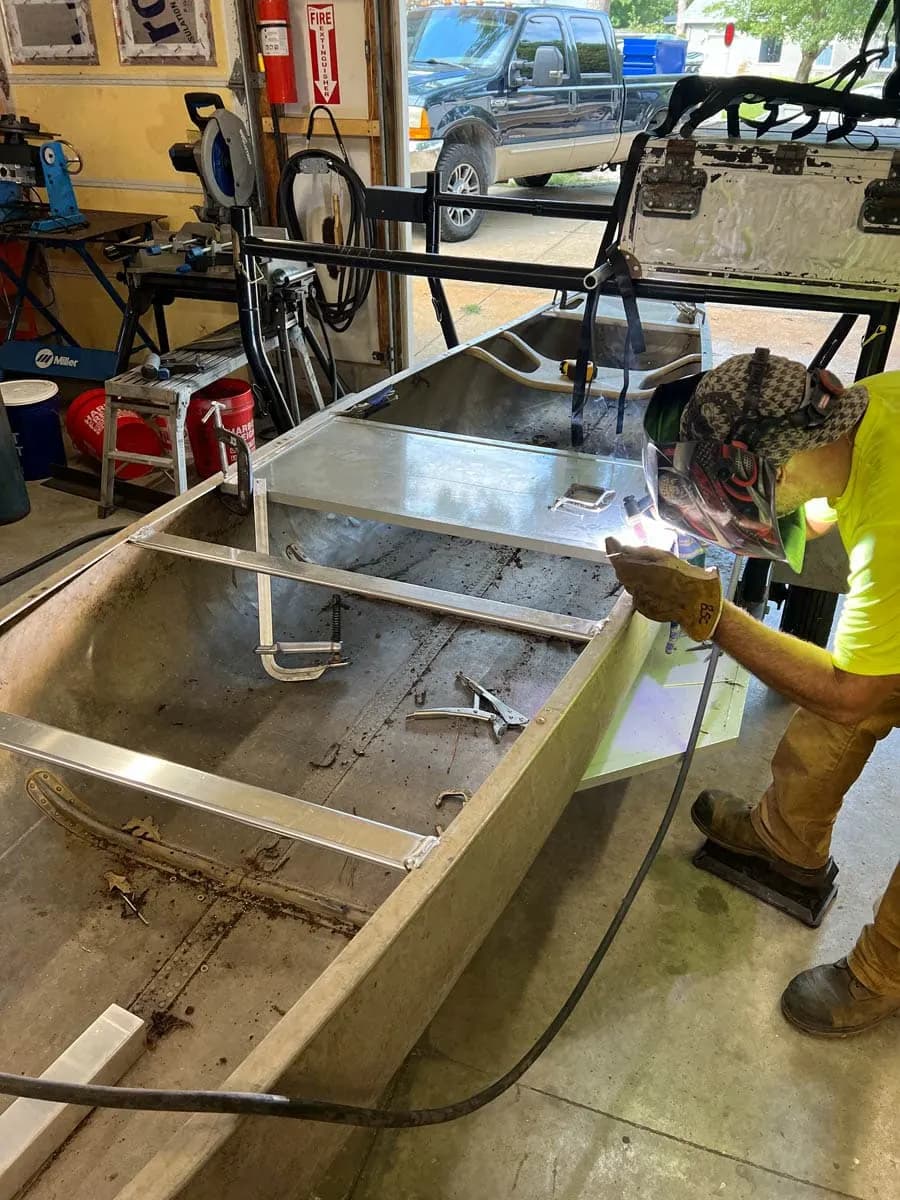
Marine aluminum welding for Hampton Roads boat owners: 5086 hull plate versus 6061-T6 tubing, 5356 filler, oxide cleaning, and what to tell the welder.
AWS Certification: What It Actually Means for Your Industrial Welding Project
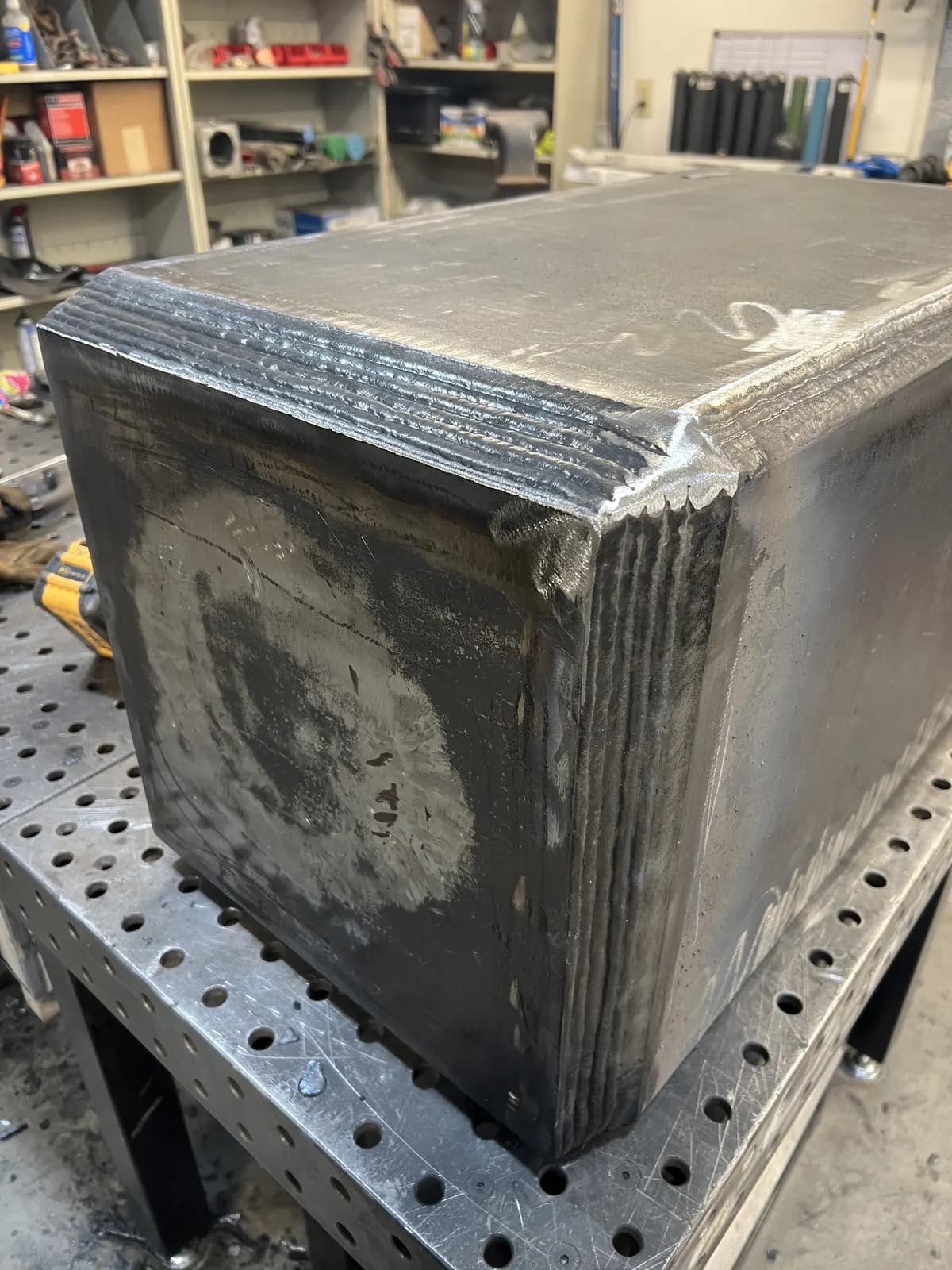
AWS D1.1 certification isn't a marketing badge. It's a documented procedure and qualified welder. Here's what to expect when your project requires it.
Mobile Welding vs. In-Shop: When to Call a Rig, When to Haul It In
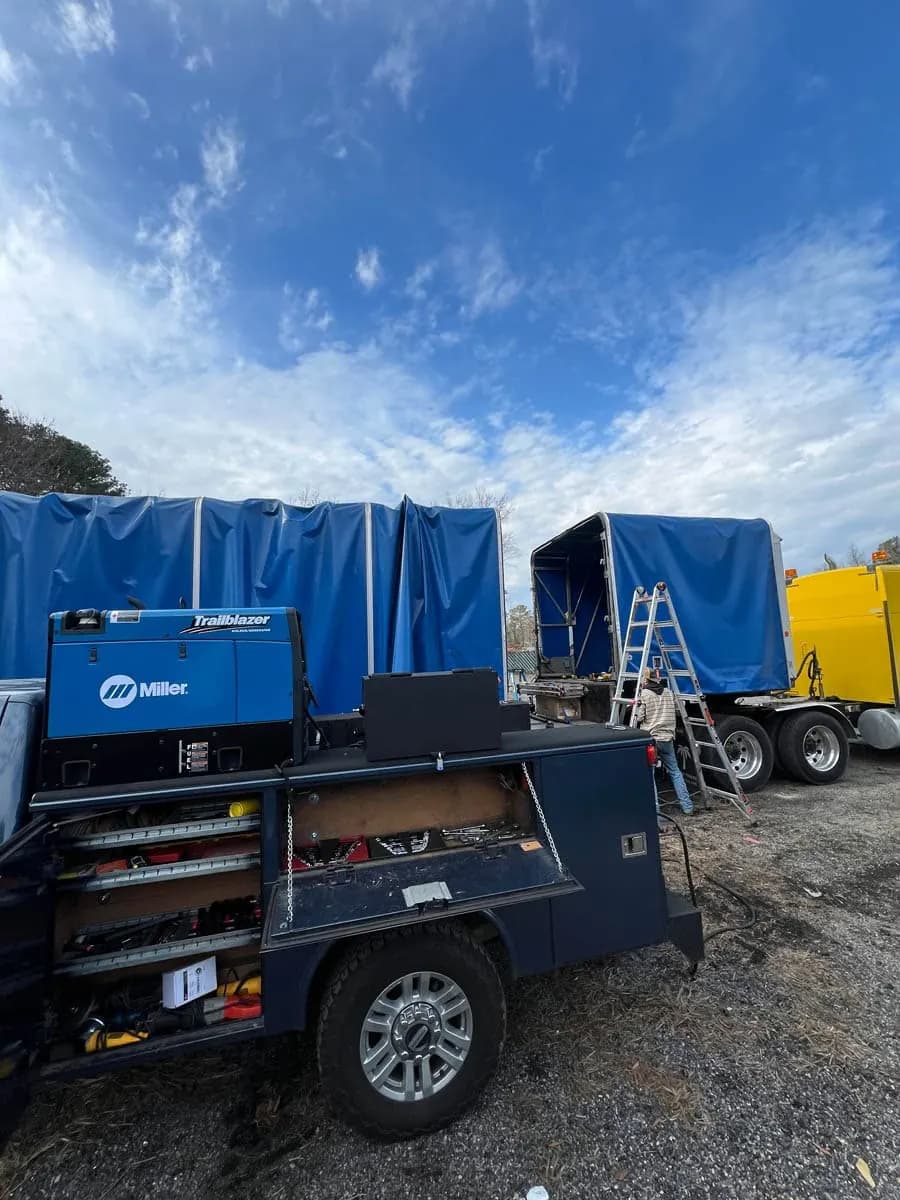
Most industrial welding clients don't know whether a job should go to a mobile rig or the shop. Here is the decision framework 757 Welding uses on every job.
Why Alloy Matters in Marine Welding, and the Mistakes We See Most
Marine welding isn't just carbon steel. Copper-nickel, stainless, and specialty alloys have their own rules, and the wrong filler metal can fail in months.